




Local BDS Market Development
Day 1 – Topic 3
Speakers

Hayden Aldredge
Strategy & Finance for Global Mkts,
ISF Advisors

Hedwig Siewertsen
Head Inclusive Finance,
AGRA
Session Replay
https://youtu.be/R_oPXTbTk_8
Session Overview
“The tension between delivering on
the ground results, showing
companies that have improved their performance needs to be balanced with the longer term development of bankability metrics, accreditation systems, etc.”HEDWIG SIEWERTSEN
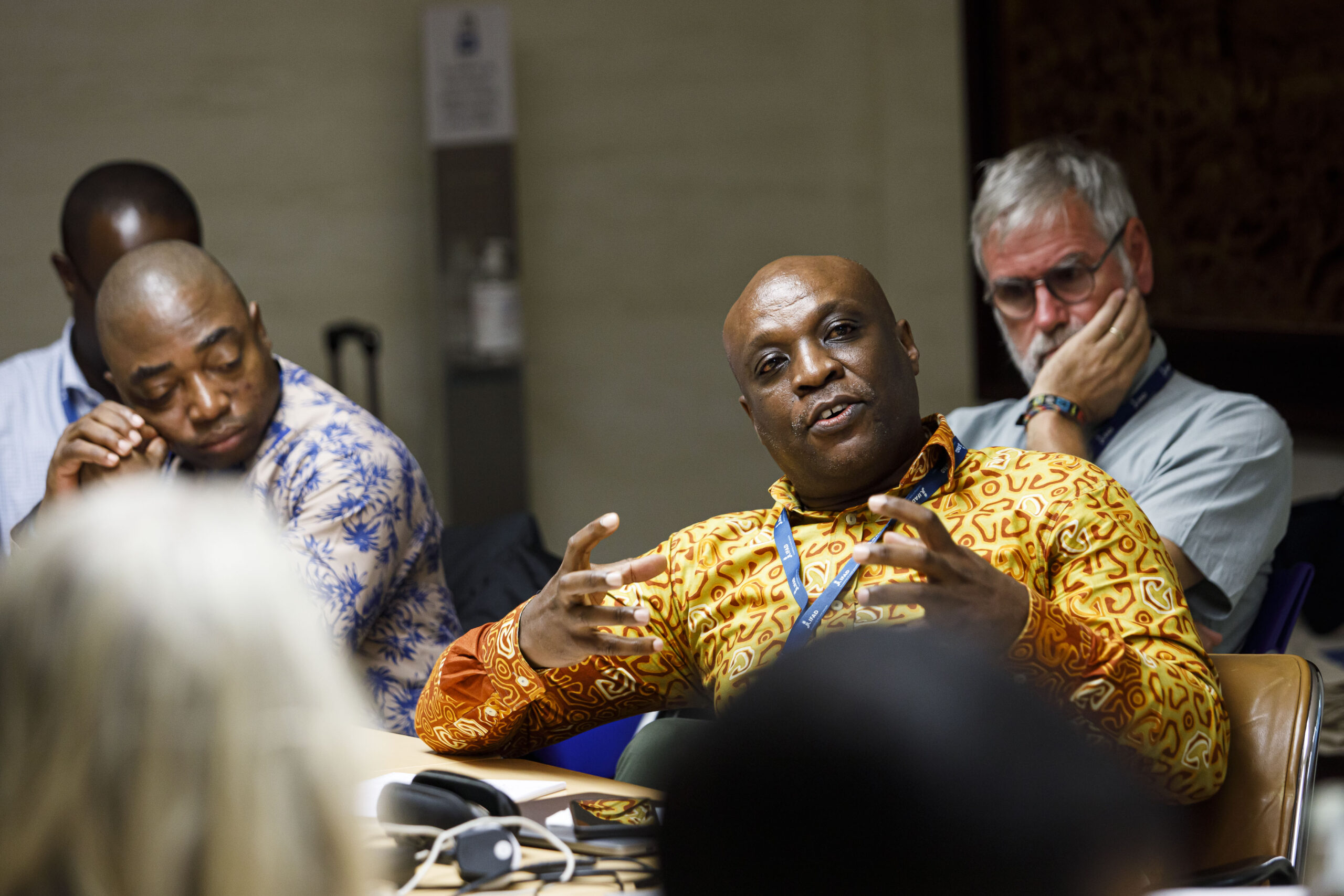
Break Out Group Discussion
The discussion centered around ability and willingness to pay.
Segmentation of SMEs in those (bigger more mature) that can buy BDS themselves and those (smaller, younger) that will need to see the value of BDS first before they will be ready and able to pay for BDS themselves.
There was an example of a BDS provider in TZ who started by providing free services (on friendship basis) and when the SME saw the value, the entrepreneur asked to pay for the services!
Data on outcomes of BDS to create transparency and an incentive to invest in quality BDS : SME performance improvement thanks to BDS will be an incentive to invest in BDS.
Example of SCOPE Insight: It has 8,000 SME assessments in the database which is a rich source of data for banks, BDS providers, donors, etc. Challenges to be solved are: the data is not open source and the data is static.
Open question is: where should a database of BDS providers and of SME/FBO performance be housed and who has the incentive to keep the database alive and share the data with different interest groups (who are they and what are their incentives?)
What is potential and business model for “Uber for BDS”?
Resources
The next session considered Local BDS Market Development. It is clear we share the same problem analysis and to some extent we know what we need to do. We should therefore have a shared vision for a mature BDS market and shorter-term investment priorities that move the local BDS market in this direction.
Vision for a Mature BDS Market:
1. Market-driven demand with clear return on investment (ROI) for agribusinesses
2. Interoperable shared data infrastructure
3. Coordinated, specialized service delivery
4. Government coordination and buy-in
5. Sustainable funding models with financial sector participation
It is therefore important that organizations that approve new projects incentivize BDS to deliver quality as well as scale; and that projects contribute to system development. AGRA shared a useful list of DO’s and DON’Ts that they use to guide investments. This included developing capacity of local BDS providers and using segmented databases to enable matching of SME demand and BDS supply.
All Sessions
Day 1
- D1OS – National BDS Accreditation Frameworks
- D1T1 – Government Led BDS Quality Assurance
- D1T2 – Beyond Regulation Sustainable BDSP Associations
- D1T3 – Local Market BDS Development
- D1T4 – Developing Service Coalitions
Day 2
- D2OS – The Business Case For Data Systems
- D2T1 – Segmenting and Tailoring BDS for the SME market
- D2T2 – Scaling Agri-BDS in the Ethiopian Barley Value Chain
- D2T3 – Digital/Blended service delivery – is it delivering more for less?
- D2T4 – Gender business transformation models
- D2CS – Future Learning & Toolbox