




Two milestones from the AMEA Ghana Local Network this month point in the same direction: if Ghana wants its agricultural investment to produce strong, profitable businesses, it needs business development services (BDS) that are both high quality and properly funded.
First, stakeholders validated Ghana's first National Standard for Business Development Services. Then, days after the 2027 national budget was presented, AMEA Ghana called on government to make BDS a funded part of its new US$3 billion commercial agriculture program.
A first national standard for BDS
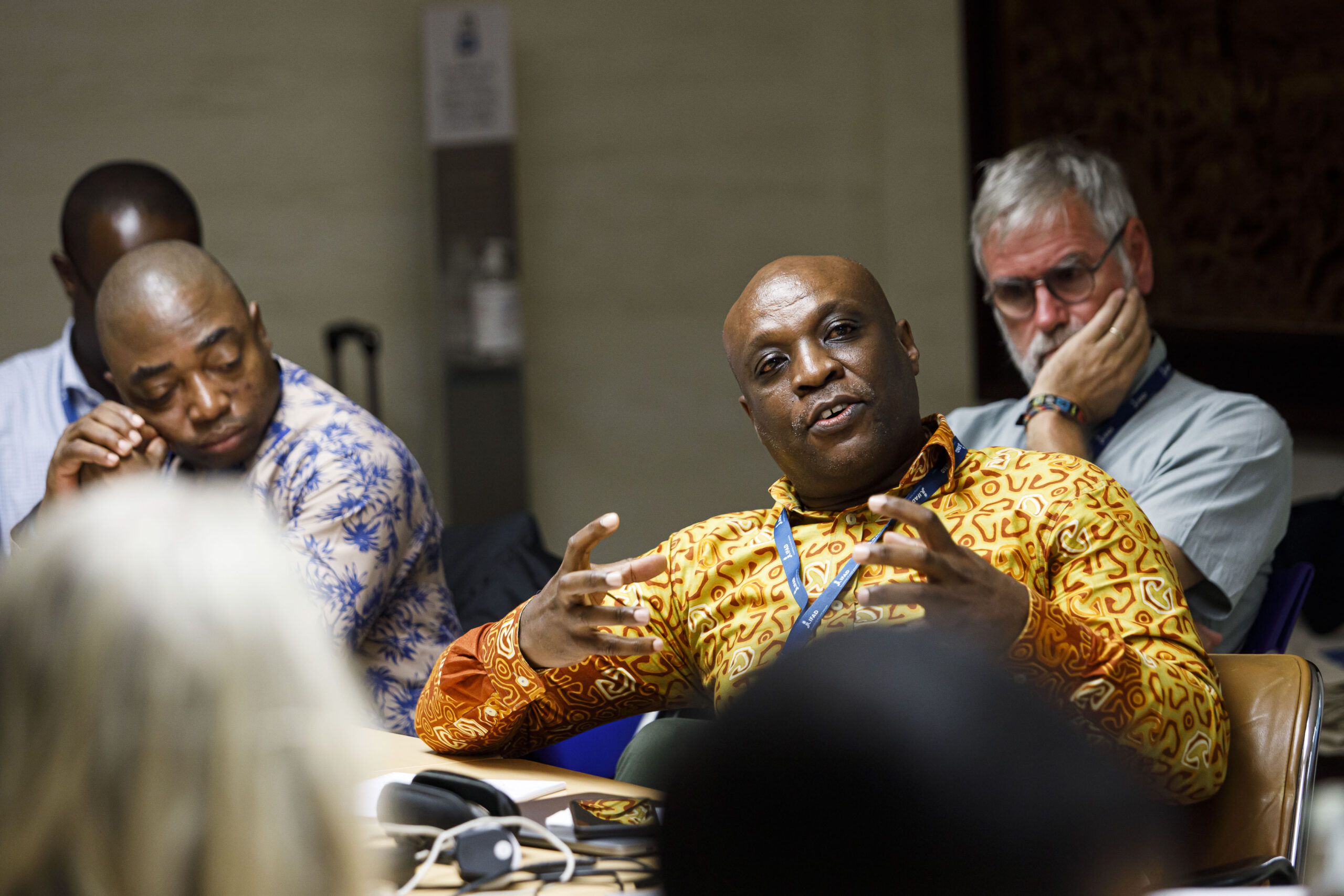
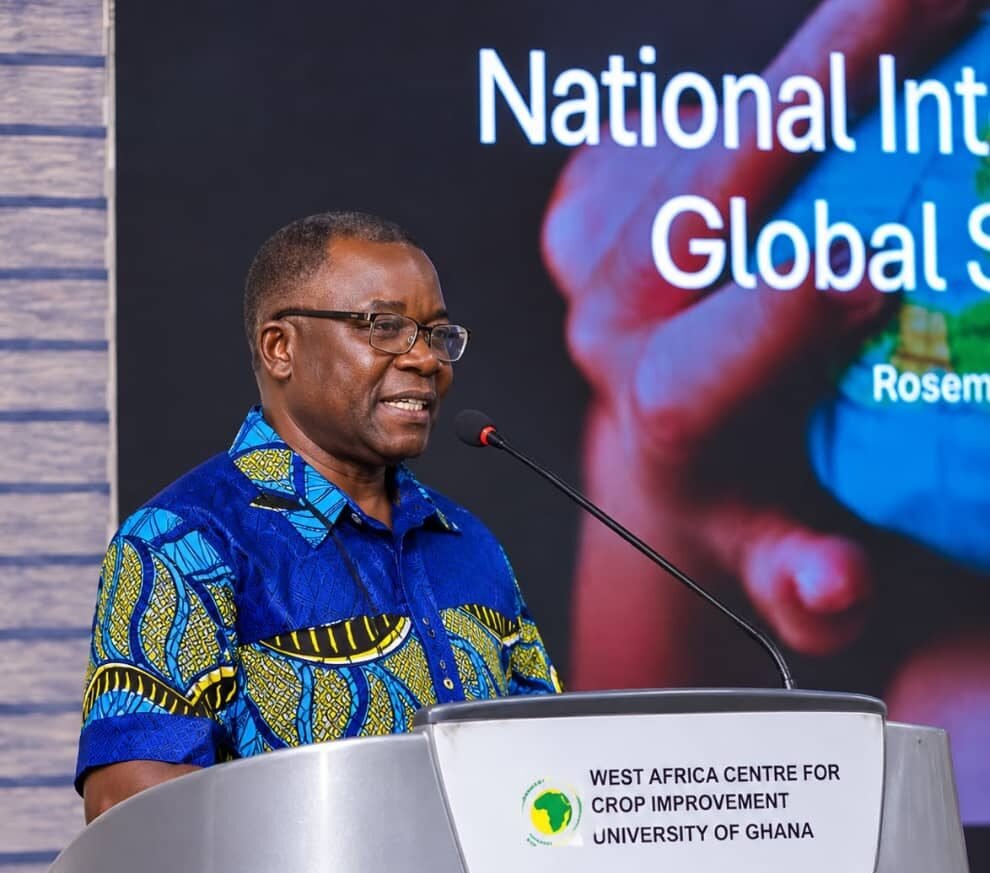
Ghana's first National Standard for Business Development Services was unanimously validated at the National BDS Standards Validation Conference at the Water Research Institute in Accra. Participants reviewed the document chapter by chapter before giving their approval.
The conference was organized by AMEA Ghana through its Multi-Stakeholder Platform (MSP) Secretariat, in partnership with the Chamber of Agribusiness Ghana. It marked the end of more than two years of drafting, consultation, and technical review that began in June 2024.
Key steps along the way included:
- A Technical Working Group on Standards and Certification, formed in February 2026, which drew on experience from three other countries
- Pre-testing of the standard by five BDS providers
- A final document of 18 chapters and 12 annexes
The standard covers governance, service delivery, quality management, financial sustainability, gender equity and social inclusion, monitoring and evaluation, digital transformation, and professional ethics. It also gives providers practical tools, including compliance checklists, an MSME diagnostic framework, an impact tracker, and institutional maturity levels.
Why a standard matters
The standard lays the groundwork for certifying BDS providers and practitioners. Certification will make it easier for agri-SMEs, farmer organizations, banks, government agencies, and development partners to find credible providers and trust the quality of their work.
That trust is closely linked to finance. Agriculture contributes about 21 percent of Ghana's GDP but receives only around 3 to 5 percent of bank credit. A parallel Technical Working Group on Access to Finance is preparing a policy brief for the Ministry of Trade, Agribusiness and Industry (MoTAI) on how certified BDS providers can help open the door to credit.
Participants at the validation conference described the standard as suited to Ghana's BDS market, practical to apply at district level, and credible enough to meet the expectations of financial institutions and development partners.
According to Network Facilitator John Kennedy Apegyah, the next step is to put the standard into operation, so agri-SMEs receive reliable support and financial institutions can have confidence in the quality of services.
The roadmap: 2027 to 2029
- 2027: Endorsement by the MSP and the Ministry, an institutional home and certification committee, assessor training, pilot certification, and a public register of certified providers
- 2028: Nationwide rollout
- 2029: A self-financing certification scheme
Making the US$3 billion count
On November 12, 2026, Finance Minister Dr Cassiel Ato Forson presented a US$10 billion New Economy Programme for 2027 to 2030. Commercial agriculture is Pillar Two and receives the largest single allocation: US$3 billion. Planned initiatives include anchor farms, organized outgrower schemes, farm-to-market systems, and extension services.
AMEA Ghana welcomed the commitment as a bold step, but cautioned that money alone does not build businesses. In its statement, the network put it simply: "finance may buy the tractor, but BDS helps ensure that the business can use it productively."
The scale of the opportunity is significant. Ghana has more than 23,000 active cooperatives, an estimated 10,000 farmer-based organizations, and around 1.7 million micro, small, and medium-sized enterprises, many of them in or around agriculture. Yet Ghana Enterprises Agency figures cited by AMEA Ghana show that 60 percent of MSMEs do not survive beyond their second year.
Agricultural investment has focused mainly on inputs, infrastructure, and credit, while the BDS market remains fragmented, donor-dependent, and uneven in quality. BDS fills that gap, helping enterprises strengthen governance, business planning, record-keeping, financial management, market linkages, quality assurance, traceability, and the use of modern production technology.
What AMEA Ghana recommends
- Create a clearly defined, funded BDS component under the commercial agriculture pillar, with assigned responsibility for delivery
- Build business support into anchor farm, outgrower, mechanization, irrigation, and farm-to-market programs
- Set quality standards and accreditation for BDS providers
- Strengthen the capacity of farmer organizations
- Link public support and agricultural finance to measurable business performance
- Track results through indicators such as business survival, jobs created, finance mobilized, market contracts secured, and gains in farmer income
Two moves, one goal
Together, the new standard and the budget call form a clear plan: set a quality bar for business support, then fund it at scale. AMEA Ghana and its BDS Multi-Stakeholder Platform stand ready to work with government and partners to design the BDS component of the commercial agriculture pillar, using the standard and existing benchmarking tools.
The network is also inviting stakeholders to take part in the inaugural Ghana BDS Day, planned for 2027.
Want to get involved? Learn more about the AMEA Ghana Local Network or contact Network Facilitator John Kennedy Apegyah.
In the news
- Ghana adopts first national standards for business development services (Ghana News Agency)
- AMEA Ghana calls for business development services to boost agricultural investment (Ghana News Agency)
- AMEA Ghana urges govt to prioritise business development services in $3bn agriculture investment (Adom Online)