
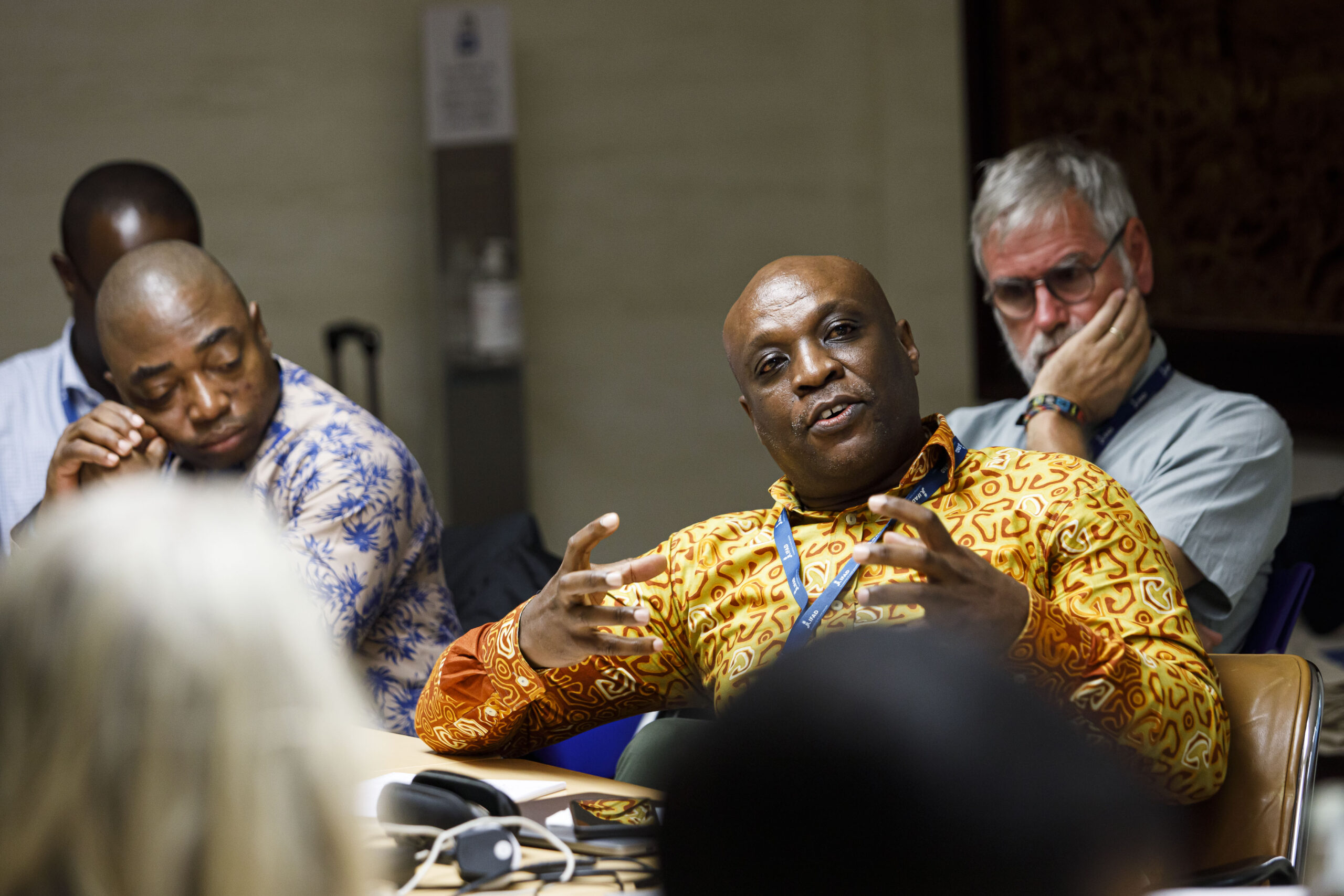




We are delighted to share that AMEA features in Small Foundation's 2025 Impact Report, including a new video that captures how our network has evolved, what we have achieved together, and where we are heading next.
Small Foundation has been with AMEA from the very beginning as a founding member in 2016, and remains one of our most important funders. System change takes time, trust and patience. Small Foundation's long-term commitment has made that kind of work possible, and we are grateful for their continued partnership.
Watch the video:
Why business development services matter
Supporting an agri-enterprise to grow can look simple from the outside. In practice, it is anything but. Building a market for quality business development services (BDS) means understanding both demand and supply, and finding ways to incentivise real behaviour change. Doing that at scale is harder still.
As the video makes clear, transforming food systems and agriculture depends on transforming the services that help agri-enterprises grow. That is the challenge AMEA was formed to address.
In Small Foundation's words, AMEA provides a platform where governments, farmer organisations, agribusinesses, financiers and service providers identify what is broken in BDS for agri-SMEs and jointly explore how to improve it.
Playing the long game: ISO 18716
One of the clearest outcomes of that collaboration is ISO 18716, the international standard for business development services. It took six years of dedicated, collaborative effort to develop.
That investment is now paying off in ways that reach well beyond AMEA. The standard has sparked a wider conversation about how to apply standards across the sector. In Uganda, the African Management Institute has worked on business development standards. Tanzania has developed BDS guidelines, and Ethiopia has begun work on a BDS standard of its own.
This is exactly the outcome we hoped for. As the video puts it, the aim is not to dominate, but to crowd in others. That is how a movement grows.
From top-down to locally driven
The video also reflects on how AMEA itself has changed. We began as an alliance, with global working groups developing solutions for others to implement. Experience taught us that this was not enough.
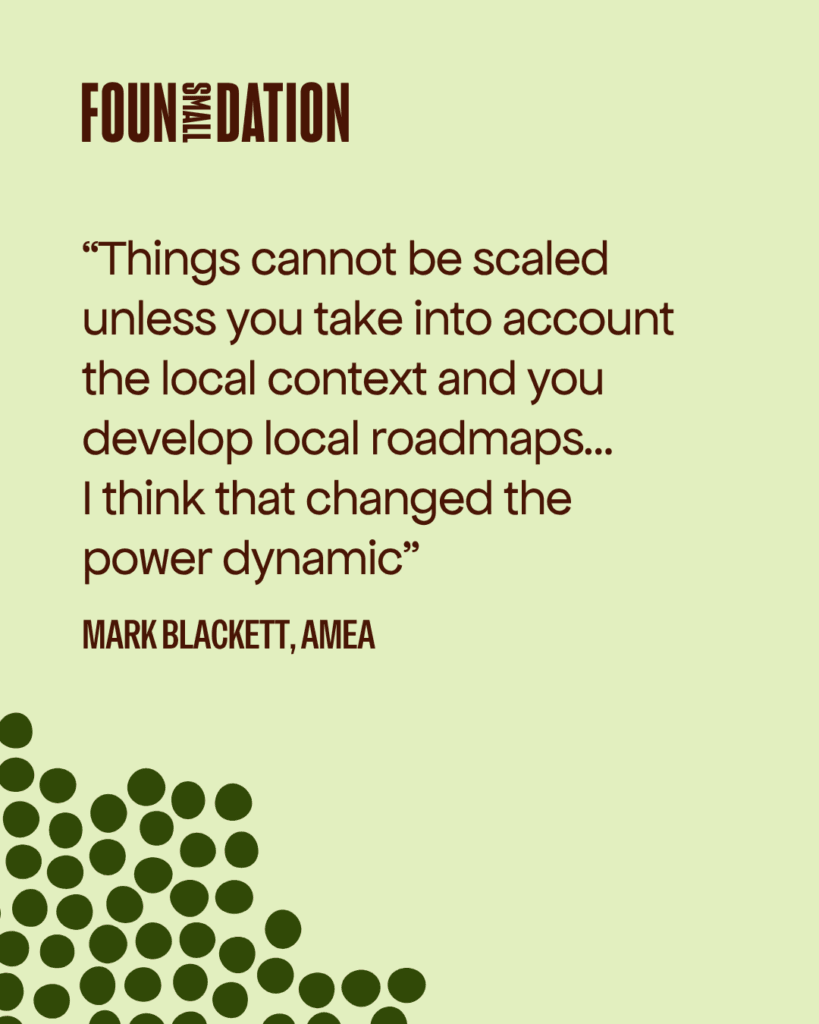
"I think it's interesting to see how we've evolved… it was more top-down - the global working groups drove all of it. [But] things cannot be scaled unless you take into account the local context and you develop local roadmaps… I think that changed the power dynamic. So now it's more local network driven." Mark Blackett, AMEA Network Director
Today, AMEA's local networks in Africa bring together 20 to 30 voices around each table. Rather than one or two people setting the direction, the way forward emerges from genuine debate among the people closest to the challenge. These multi-stakeholder platforms also play a vital role in making sure new standards are fit for purpose, have a real chance of being implemented, and deliver impact.
A member's perspective: Africa Turnaround
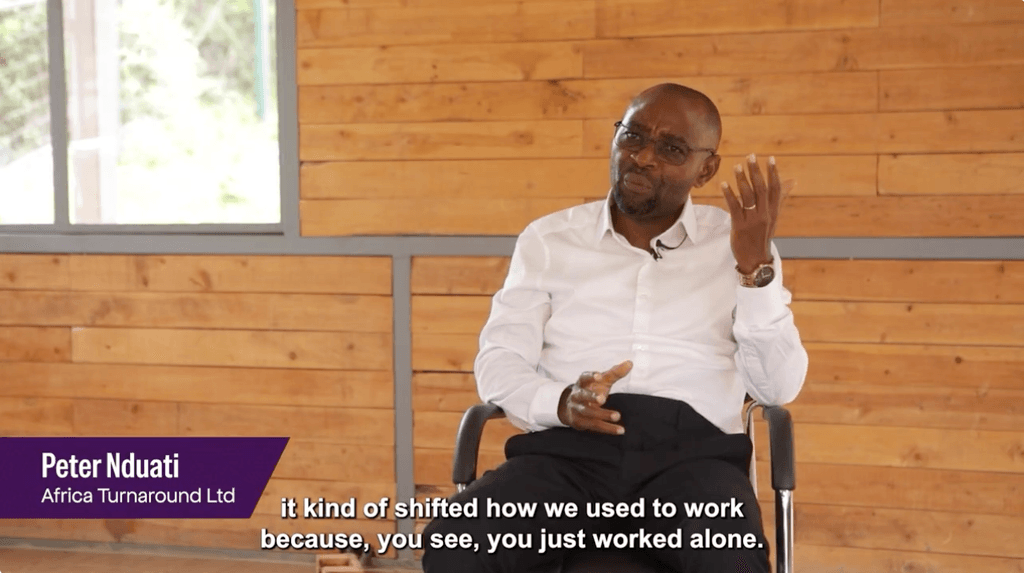
For Peter Nduati of Africa Turnaround, an AMEA member since 2018, joining the network changed the way his organisation works. Before, BDS providers often worked in isolation, with few benchmarks and little opportunity to learn from peers.
Through AMEA, Africa Turnaround gained access to international toolkits and best practice, and built a lasting collaboration with the International Finance Corporation (IFC), part of the World Bank Group. Together, they have developed a joint certification programme for BDS providers.
"Remember, at the end of the day, it's about the customer, the enterprise." Peter Nduati, Africa Turnaround
It is a powerful reminder of why this work matters. Better services help small businesses grow into sustainable enterprises, creating value for the farmers and communities they serve.
Filling a gap that matters
The video highlights one reason members keep coming back to AMEA: there is still too little robust, constructive dialogue in the sector that leads to co-created solutions. AMEA fills that niche, and our members and partners welcome the opportunity to shape better answers together.
We would like to thank Small Foundation for their support and for telling this story so well, and to thank Mark and Peter for sharing their insights.
Explore more: